


Table of Contents
Preventative Horse Healthcare: Vital Signs, Core Vaccines & Modern Deworming Protocols
As prey animals that evolved across open plains for millions of years, horses possess an instinctual survival mechanism: they mask pain and illness until an affliction becomes impossible to conceal. In the wild, displaying weakness, lethargy, or lameness invites immediate attention from apex predators.
In a domestic barn setting, this stoic defense mechanism means that by the time a horse visibly droops its head, ceases eating, or displays violent discomfort, the underlying medical condition is often dangerously advanced.
True preventative healthcare is the cornerstone of responsible horsemanship. By mastering baseline vital signs, maintaining strict immunological defense through vaccination, abandoning outdated rotational deworming in favor of targeted fecal testing, and conducting routine dental maintenance, you protect your horse from catastrophic, preventable medical crises.
This comprehensive veterinary health manual outlines the protocols used by equine practitioners to maintain herd immunity, detect subclinical disease, and manage stable health.
1. Taking Equine Vital Signs: The TPR Baseline
Every horse owner must know how to measure their horse’s Temperature, Pulse, and Respiration (TPR). Practice taking these measurements when your horse is completely healthy, calm, and resting in its stall.
Documenting your horse’s individual resting baseline allows you to recognize subtle physiological deviations during an emergency.
Equine Vital Signs Cheat Sheet
| Metric | Normal Adult Range | Emergency Red Flag |
|---|---|---|
| Rectal Temperature | 99.0°F–101.5°F (37.2°C–38.6°C) | Above 102.5°F or below 98°F |
| Resting Heart Rate | 28–40 beats per minute | Above 60 bpm; above 80 bpm is severe |
| Resting Respiration | 8–16 breaths per minute | Above 25 breaths per minute |
| Capillary Refill Time | Less than 2 seconds | More than 3 seconds |
| Mucous Membrane Color | Moist, salmon pink | Pale, blue, or abnormal red |
| Gut Sounds (4 Quadrants) | Active gurgling and rumbling | Complete silence |
Detailed Measurement Techniques
1. Rectal Temperature
- Use a heavy-duty digital veterinary thermometer with a safety string and clip fastened to the horse’s tail hair.
- Lubricate the tip with petroleum jelly or water-soluble lubricant.
- Stand beside the horse’s left hip, never directly behind the hind legs.
- Move the tail gently aside and insert the probe 2 to 3 inches with a slight twisting motion, angling against the rectal wall.
- Interpretation: A temperature exceeding 102.0°F (38.9°C) may indicate active systemic infection, heat stroke, or inflammatory fever.
2. Heart Rate (Pulse)
- Place a stethoscope directly behind the horse’s left elbow against the lower chest wall.
- Count each complete heartbeat for 30 seconds and multiply by two.
- Alternatively, locate the facial artery where it curls over the lower edge of the jawbone (mandible). Press lightly with two fingertips to feel the pulse.
Interpretation: A resting pulse climbing to 50–60 bpm may indicate mild-to-moderate systemic pain, including early colic. A heart rate exceeding 70–80 bpm accompanied by sweating and rolling may indicate a critical surgical colic emergency.
3. Respiration Rate
- Stand at a safe distance and observe the rise and fall of the horse’s flank or rib cage.
- One full inhalation and exhalation equals one breath.
- Crucial Mistake: Never count nostril flaring. Horses flare their nostrils to investigate scents or their surroundings, which can create inaccurate readings.
Interpretation: Rapid, shallow breathing or labored abdominal pushing may indicate heat distress, respiratory infection, recurrent airway obstruction (asthma/heaves), or severe pain.
4. Mucous Membranes & Capillary Refill Time (CRT)
Lift the horse’s upper lip and examine the gums.
- Moist, pale-to-salmon pink: Generally indicates normal cardiovascular perfusion.
- Pale, white, or chalky: May indicate anemia, severe blood loss, circulatory collapse, or shock.
- Bright brick red, purple, or blue-gray: May indicate toxic shock, severe endotoxemia, or septic infection.
- Yellow / Jaundice: May indicate liver dysfunction or severe anorexia.
The CRT Test: Press your thumb firmly against the gum above the upper incisors for two seconds, then release. The white blanch mark should return to normal salmon pink in under 2 seconds.
A CRT extending beyond 3 or 4 seconds can signal dehydration and serious cardiovascular problems.
5. Listening to Gut Sounds (Auscultation)
Press your stethoscope against the horse’s flank in four distinct quadrants:
- Upper Left & Lower Left: Small intestine and pelvic flexure.
- Upper Right: The cecum, where you may hear a loud, hollow flushing sound approximately every 1 to 2 minutes.
- Lower Right: Large colon.
Interpretation: Frequent gurgling, rumbling, and bubbling sounds (borborygmi) are signs of normal digestive motility.
Hypermotile, loud gas rumbles may suggest spasmodic colic. Complete silence across all four quadrants can indicate ileus (paralysis of the bowel), impaction, or a strangulating intestinal twist requiring immediate veterinary intervention.
2. Vaccination Strategies: AAEP Core vs. Risk-Based Vaccines
Vaccinations help prime the horse’s adaptive immune system to produce targeted antibodies against dangerous viral and bacterial pathogens.
The American Association of Equine Practitioners (AAEP) divides equine vaccines into two main classes: core vaccines and risk-based vaccines.
AAEP Core Equine Vaccines

Core vaccines are recommended for every horse, regardless of discipline or lifestyle.
| Core Vaccine | Disease It Helps Prevent |
|---|---|
| Rabies | Fatal neurological zoonotic rhabdovirus |
| Tetanus Toxoid | Neurotoxin produced by Clostridium tetani bacteria |
| Eastern Equine Encephalitis (EEE) | Mosquito-borne neurological disease |
| Western Equine Encephalitis (WEE) | Mosquito-borne encephalomyelitis |
| West Nile Virus (WNV) | Mosquito-borne neuro-invasive flavivirus |
Why Core Vaccines Are Non-Negotiable
- They protect against serious diseases that can carry exceptionally high mortality rates.
- Several diseases are zoonotic, meaning they can also present public health risks to human handlers.
- Transmission does not always require contact with another horse. Mosquitoes and soil bacteria can infect horses even when they remain in their home pasture.
- Timing: Core vector-borne vaccines (EEE, WEE, and WNV) are generally administered in early spring, approximately 4 to 6 weeks before mosquito and biting-insect season peaks.
- In warmer southern climates, booster vaccines every six months may be recommended.
Risk-Based Vaccines
Risk-based vaccines are administered according to geographic location, age, pregnancy status, and travel or competition exposure.
1. Equine Influenza (Flu)
Equine influenza is a highly contagious airborne viral disease that can cause high fevers and dry, hacking coughs. Vaccination every six months is commonly recommended for horses traveling to shows or staying in boarding barns.
2. Equine Herpesvirus (EHV-1 & EHV-4 / Rhinopneumonitis)
These viruses can cause respiratory disease, late-term abortions in mares, and dangerous neurological complications known as Equine Herpesvirus Myeloencephalopathy (EHM).
3. Strangles (Streptococcus equi)
Strangles is a contagious bacterial infection that causes abscesses in the lymph nodes beneath the jaw. Intranasal and intramuscular vaccines are available.
4. Potomac Horse Fever (PHF)
Potomac Horse Fever is associated with accidental ingestion of aquatic insects, including caddisflies and mayflies, carrying Neorickettsia risticii.
5. Botulism (Clostridium botulinum)
Botulism vaccination may be particularly important for horses fed round bales or ensiled forages.
3. The Modern Deworming Revolution: Goodbye Rotational Paste
For over forty years, the equestrian world operated on an outdated dogma: deworming every horse every eight weeks while alternating chemical paste classes such as ivermectin, pyrantel, and fenbendazole.
Understanding the Problem With Traditional Deworming
The old rotational approach can expose parasites repeatedly to the same medications, encouraging the development of drug resistance.
Outdated Approach:
- Deworming every eight weeks.
- Repeated exposure to different chemical treatments.
- Increasing parasite resistance.
- Reduced effectiveness of available deworming medications.
Modern Solution: Fecal Egg Counts (FEC) and targeted strategic deworming.
Why the Old Method Failed
Equine small strongyles (cyathostomins) and roundworms (ascarids) have developed resistance to several commonly used deworming medications.
These include:
- Benzimidazoles, such as fenbendazole and oxibendazole.
- Pyrimidines, such as pyrantel pamoate.
Continued blind chemical application can accelerate drug resistance and reduce the effectiveness of available treatments.
The Modern Strategic Deworming Protocol
Equine parasitologists increasingly recommend Fecal Egg Count (FEC) surveillance using techniques such as the McMaster flotation method.
1. Test Before You Treat
Collect a fresh manure sample and submit it to your veterinarian, ideally during spring before administering deworming medication.
2. Identify Shedding Status
Within many horse herds, the 80/20 rule applies: approximately 20% of horses shed 80% of the parasite eggs.
Horses are generally classified into three shedding categories:
| Shedding Category | Egg Count (EPG) | Suggested Treatment Frequency |
|---|---|---|
| Low Shedders | Below 200 EPG | One or two strategic treatments per year |
| Moderate Shedders | 200–500 EPG | Two to three treatments annually |
| High Shedders | Above 500 EPG | Three to four targeted treatments annually |
Low Shedders: These represent approximately 50% to 70% of mature horses and typically require fewer treatments.
Moderate Shedders: These horses require more frequent monitoring and appropriately targeted treatment.
High Shedders: These horses require additional attention to reduce pasture contamination.
3. The Essential Fall Clean-Up
The original protocol recommends a late-autumn treatment containing Praziquantel, often combined with Ivermectin or Moxidectin, to address tapeworms (Anoplocephala perfoliata) and bot fly larvae (Gasterophilus).
These parasites may not appear reliably on standard fecal flotation tests.
4. Moxidectin Caution
Moxidectin (Quest) is used against encysted small strongyle larvae. However, it has a narrow safety margin.
It must not be administered to foals under six months old, emaciated horses, or miniature horses without appropriate veterinary guidance because of the risk of toxic overdose.
4. Equine Dental Maintenance: The Power of Floating
Unlike human teeth, which develop and remain relatively static in size, equine teeth are hypsodont. This means they possess a long reserve crown that continuously erupts through the gums at a rate of approximately 2 to 3 millimeters per year throughout much of the horse’s adult life.
Why Horse Teeth Must Be Floated
A horse’s upper jaw is wider than its lower jaw. During the circular grinding motion used to chew fibrous hay, the center of the chewing surface wears down while sharp enamel points can develop along the edges.
These points commonly form on:
- The outside edges of the upper molars.
- The inside edges of the lower molars.
These sharp edges can injure the delicate cheeks and tongue, resulting in painful oral ulcers.
Dental floating involves smoothing these sharp points to improve comfort and chewing function.
Signs Your Horse Needs Dental Floating
Watch for the following warning signs:
- Quidding: Dropping wads of half-chewed, saliva-soaked hay balls onto the stall floor.
- Chewing awkwardly with the head tilted to one side.
- Whole, unchewed grain kernels appearing in manure.
- Head-tossing, bit resistance, or fighting the bridle when ridden.
- Foul odor coming from the mouth.
- Unilateral purulent nasal discharge, which may indicate an infected tooth root opening into the maxillary sinus.
Recommended Dental Examination Schedule
- Mature Horses: Annual oral speculum examinations and dental floating when needed.
- Horses Over 15 Years Old: More frequent evaluations, potentially twice a year.
- Young Horses: Regular dental evaluations, especially when shedding deciduous caps.
Routine dental examinations help identify problems early and support proper nutrition, comfort, and performance.
5. Barn Emergency First-Aid Kit Checklist
When a medical crisis occurs, having the correct veterinary supplies prepared in a clean, dust-proof plastic container can save valuable time.
A well-stocked equine emergency first-aid kit should include the following items.
Diagnostic Tools
- Digital veterinary thermometer with tail clip.
- Professional Sprague-Rappaport acoustic stethoscope.
- Bright LED penlight or headlamp.
Wound Care & Bandaging Supplies
- Non-stick sterile wound dressings (Telfa pads).
- Cotton sheet leg cottons or Gamgee rolls.
- Self-adherent cohesive bandages (Vetrap / Coban), minimum six rolls.
- Heavy-duty elastic adhesive tape (Elastikon).
- Povidone-Iodine (Betadine) surgical scrub.
- Silver Sulfadiazine (SSD) cream or medical-grade honey ointment.
- Bandage scissors with rounded blunt tips.
Medications (Under Veterinary Direction)
- Phenylbutazone (Bute) Paste: An NSAID used for musculoskeletal pain and lameness.
- Flunixin Meglumine (Banamine) Paste: An NSAID commonly used for colic-related pain.
- Triple-antibiotic ophthalmic ointment (never use products containing steroids unless specifically directed by a veterinarian).
- Clean 60cc dosing syringes.
- Epsom salt for foot soaking.
Always consult your veterinarian before administering medications. Keep all medications properly labeled, stored, and within their expiration dates.
Conclusion: Vigilance as the Highest Expression of Horsemanship
Preventative healthcare is not an occasional checklist item; it is an everyday operational mindset. It lives in the three seconds you take to glance at your horse’s gum color, the quiet moment spent listening for gut sounds while brushing the flanks, and the discipline of adhering to veterinary health schedules.
By acting as your horse’s observant, informed advocate, you can prevent manageable health issues from developing into life-threatening emergencies.
Regular veterinary examinations, appropriate vaccinations, strategic parasite control, and consistent dental care all contribute to a healthier, more comfortable horse.
A proactive approach to equine healthcare is one of the best investments you can make in your horse’s long-term health, comfort, and performance.
Disclaimer: This article is intended for educational purposes only and does not replace professional veterinary advice. Vaccination schedules, deworming protocols, medication choices, and emergency treatments should always be determined in consultation with a qualified equine veterinarian.
External Resources
1. American Association of Equine Practitioners (AAEP) – Vaccination Guidelines
2. Merck Veterinary Manual – Horse Health and Care
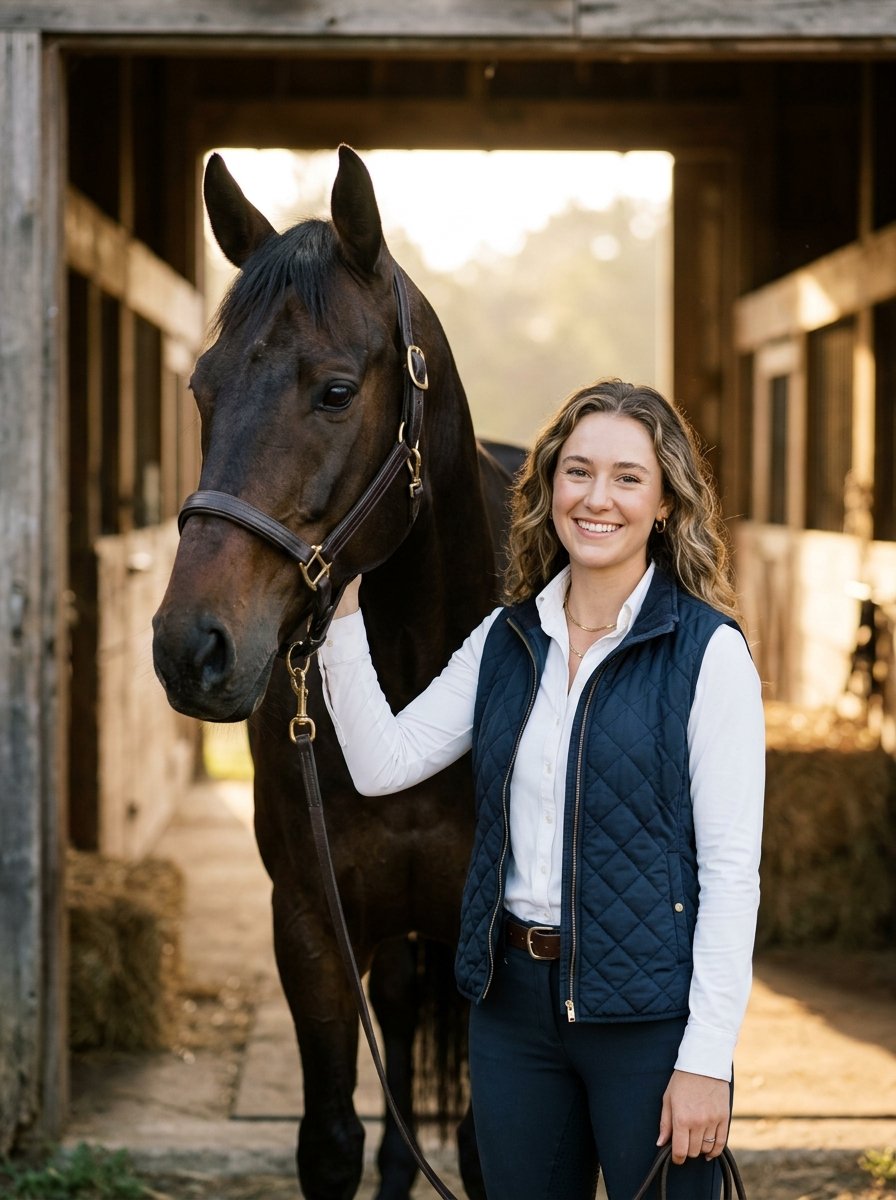
Equestrian Journalist & Equine Welfare Specialist
Sarah Mitchel brings over fifteen years of hands-on equine management, classical dressage training, and veterinary wellness reporting to Horse Silk. Dedicated to promoting ethical horsemanship, pedigree preservation, and science-backed care protocols.
