


Introduction
Across thousands of years of human civilization, no equine breed has captured the romantic imagination, shaped global history, or influenced modern horse genetics quite like the purebred Arabian horse. Revered by nomadic Bedouin tribes as a divine gift of the desert wind, the Arabian is widely recognized as one of the oldest distinct horse breeds on earth. With its unmistakable finely sculpted dished facial profile, enormous luminous dark eyes, arched crest, and naturally elevated tail carried high like a victor’s silk banner, an Arabian horse is recognizable from hundreds of yards away.
🐎 Arabian Horse Quick Fact Sheet
Yet, behind that peerless, ethereal beauty beats the heart of an uncompromising desert warrior. Bred for millennia in the unforgiving, arid expanses of the Arabian Peninsula, this breed developed unparalleled cardiovascular endurance, bone density, mental acuity, and an extraordinary capacity for deep, empathetic bonding with humans. Today, Arabian blood flows through the veins of nearly every light horse breed in existence, from the explosive English Thoroughbred to the elegant American Saddlebred.
Whether you are an aspiring equestrian owner, an endurance competitor, or an admirer of equestrian royalty, this comprehensive breed guide delivers everything you need to know about the legendary Arabian horse: ancient tribal origins, unique skeletal anatomy, the revered foundation bloodlines, nutritional care, market valuation, and essential management protocols.
The Epic Origin: Bedouin Desert Heritage and Natural Selection
To comprehend the physiology and temperament of the modern Arabian horse, one must first look to the harsh conditions of its evolutionary crucible: the Nejd desert of the Arabian Peninsula.
The Bedouin Symbiosis
For nomadic Bedouin tribes, horses were not beasts of burden—camels carried supplies. The Arabian mare was an elite weapon of survival and tribal warfare (Ghazw). Mares were favored over stallions because they did not whinny during stealth raids and were gentler companions.
Because life in the desert was brutal, Bedouin families shared their meager food rations with their horses, hand-feeding them camel milk, dates, and dried locusts when grazing withered under scorching droughts. During cold desert nights, prized war mares were brought directly inside tribal family tents (Beit al-Sha’ar), sleeping alongside infants and young children.
This intimate, centuries-long cohabitation selected aggressively for a horse with extraordinary gentleness toward humans, emotional intelligence, and quick learning capabilities, paired with fierce bravery in battle. An aggressive or untrustworthy horse was immediately culled from breeding.
The Myth of the Al Khamsa
Bedouin oral tradition traces purebred Arabians back to the legendary Al Khamsa (“The Five”). According to ancient lore, the Prophet Muhammad tested his war herd after a grueling journey across the desert. Reaching an oasis, he released the thirsty herd toward the water. Before they reached the shore, he sounded his battle horn calling them to battle.
While hundreds of horses ignored the call and plunged into the water, five loyal mares stopped in their tracks, turned away from the life-saving spring, and galloped faithfully back to their master. These five foundation mares—known as Keheilan, Seglawi, Abeyan, Hamdani, and Hadban—became the matriarchs of the purest desert strains (Asil).
Distinctive Physical Traits and Skeletal Anatomy
The Arabian horse possesses physical features and skeletal adaptations that separate it from all other equine breeds.
+-----------------------------------------------------------------------------------+
|                        THE UNIQUE ARABIAN SKELETAL SYSTEM                         |
+-----------------------------------------------------------------------------------+
| FEATURE               | TYPICAL HORSE BREEDS      | THE ARABIAN HORSE             |
+-----------------------+---------------------------+-------------------------------+
| Rib Count             | 18 Pairs                  | 17 Pairs (Occasionally 18)    |
| Lumbar Vertebrae      | 6 Vertebrae               | 5 Vertebrae                   |
| Tail Bones (Caudal)   | 18 to 20 Vertebrae        | 16 Vertebrae                  |
| Head Profile          | Straight or Roman (Convex)| Distinctly Concave (Dished)   |
| Tail Carriage         | Flat / Low Hanging        | Elevated / Banner Arch        |
+-----------------------------------------------------------------------------------+
1. The Sculpted Head and Profile (*The Jibbah and Mitbah*)
The Arabian head is short, dry, and chiselled, tapering down to a small, delicate “teacup” muzzle capable of drinking from a Bedouin cupped hand.
- The Jibbah: A distinctive, convex bulge between the eyes on the forehead. In Bedouin tradition, the Jibbah was thought to hold great wisdom and blessings; anatomically, it houses expansive frontal sinuses that warmed and humidified cold, dusty desert air before entering the lungs.
- The Eyes and Nostrils: Enormous, dark, expressive eyes are placed wide apart, granting an exceptional field of peripheral vision. The nostrils are remarkably thin-walled and flare into massive, paper-thin crescents when exerted, allowing maximum oxygen exchange.
- The Mitbah: The refined throatlatch junction where the head joins the neck. A long, clean Mitbah allows extraordinary flex at the poll, enabling the horse to bend and gallop freely without constricting its windpipe.
2. Unique Spinal and Rib Architecture
Most domestic horses possess 18 pairs of ribs, 6 lumbar vertebrae, and 18 tail bones. The Arabian, however, frequently possesses 17 pairs of ribs, 5 lumbar vertebrae, and 16 tail vertebrae.
This shorter vertebral column produces a compact, remarkably strong, and broad back (short-coupled). Despite their relatively light bone and refined frame, Arabians can carry heavy adult riders across vast distances without structural spine fatigue. The absence of one tail bone allows the tail to elevate into its iconic upright arch when moving.
3. Skin, Coat, and Hoof Density
Arabian skin is invariably jet-black across the entire body (except under white face markings), regardless of the coat color. This dense black pigmentation protects delicate skin tissues against blistering ultraviolet radiation. The hooves are round, wide, dense, and naturally hardened to withstand jagged granite desert rocks without shoes.
Major Foundation Strains and Bloodline Families
Over centuries, specific regional breeding programs refined Arabian bloodlines into distinct phenotypic groups:
1. The Straight Egyptian Arabian (*SE*)
Representing roughly 2% of the global Arabian horse population, Straight Egyptians trace their ancestry exclusively to the historic private studs of Egyptian viceroys like Abbas Pasha and the Egyptian Agricultural Organization (EAO). They are recognized worldwide for the ultimate extreme dished facial heads, arched swan necks, and refined elegance. They are the darlings of international halter show rings.
2. The Polish Arabian
Bred for centuries at legendary Polish state studs like Janów Podlaski, Michałów, and Kurozwęki. Polish breeders prioritized athletic power, substance, and high, floating movement for harness and riding. Polish Arabians frequently compete in racing and open sport horse disciplines alongside warmbloods.
3. The Crabbet / English Arabian
Established in England in the late 19th century by Lady Anne Blunt and Wilfrid Scawen Blunt, who traveled directly into the Arabian desert to collect the purest Bedouin stock. Crabbet Arabians are famed for their calm, trainable temperaments, robust bone substance, and extraordinary endurance capability.
4. The Russian Arabian
Centred at the Tersk Stud in the Caucasus mountains, Russian lines combined Polish elegance with French speed and desert stamina. Russian Arabians are celebrated for their strong limbs, athleticism, and racing speed.
5. The Spanish Arabian
Descended from lines curated by the Spanish military (Yeguada Militar). Known for placid, gentle dispositions, round baroque conformation, and soft movement, making them exceptional family horses and classical dressage mounts.
Temperament and Intelligence: The Human-Bond Phenomenon
Few aspects of the Arabian horse surprise newcomers as much as their emotional personality. They are not merely riding animals; they are sensitive, relational partners.
- High Sentience and Memory: Arabians possess remarkable memories. They remember both kindness and mistreatment for years. Harsh, heavy-handed training methods will cause an Arabian to shut down or become defensively rebellious. Conversely, gentle, clear, reward-based horsemanship inspires unyielding loyalty.
- Hot-Blooded Sensitivity: As a “hot-blooded” breed, Arabians have quick nervous systems, high reactivity, and keen awareness of their surroundings. This is often mistakenly labeled “flighty” or “spooky” by inexperienced handlers. In reality, their alertness is survival intuition; when reassured by a trusted handler, they assess situations calmly.
- Family Affinity: Because of centuries spent inside Bedouin family dwellings, Arabians retain an instinctive gentleness toward children and quiet handlers, often lowering their heads to match the height of small children.
Athletic Mastery: The Undisputed Champions of Endurance
While Arabians excel in diverse disciplines—including dressage, show jumping, Western reining, and flat racing—they reign completely uncontested in the grueling arena of Competitive Endurance Riding.
+-----------------------------------------------------------------------------------+
|               WHY ARABIANS DOMINATE 100-MILE ENDURANCE RACES                      |
+-----------------------------------------------------------------------------------+
| PHYSIOLOGICAL MECHANISM   | PERFORMANCE ADVANTAGE                                 |
+---------------------------+-------------------------------------------------------+
| Slow-Twitch Muscle Fibers | Rich in myoglobin and mitochondria for aerobic stamina|
| Superior Heat Dissipation | Thin skin, prominent vascular veins, large surface area|
| Rapid Cardiac Recovery    | Heart rates drop below 60 BPM within minutes of finish |
| Metabolic Efficiency      | Highly efficient glycogen and fat oxidation under heat|
+-----------------------------------------------------------------------------------+
In prestigious 100-mile single-day endurance races like the Tevis Cup in California or the World Endurance Championship, purebred and part-bred Arabians consistently capture over 95% of top finishing positions. Their high proportion of Type I slow-twitch muscle fibers produces minimal lactic acid, allowing them to traverse treacherous mountain passes and sweltering desert sands for 14 hours continuously without muscular exhaustion.
Feeding, Care, and Management Protocols
Because Arabians evolved on sparse desert vegetation, their metabolic and daily care needs differ from heavy European warmbloods.
1. Nutritional Guidelines: The “Easy Keeper” Caution
- High Metabolic Efficiency: Arabians extract exceptional nutrition from limited forage. Overfeeding sweet grain mixes or rich alfalfa hay quickly leads to obesity, cresty necks, and catastrophic equine metabolic syndrome (EMS) or laminitis.
- Forage-First Diet: The baseline diet must consist of clean, low-sugar grass hay (timothy, orchard grass, or coastal bermuda) fed at 1.5% to 2% of body weight daily.
- Essential Mineral Balancing: Provide free-choice plain white salt and access to clean water at all times. A concentrated ration balancer with zinc, copper, and vitamin E satisfies nutritional requirements without excess calories.
2. Grooming and Skin Care
The thin skin and fine hair coat of the Arabian require delicate handling:
- Use soft natural horsehair body brushes rather than stiff synthetic dandy brushes on the face and flanks.
- Clean the delicate skin around the eyes and muzzle with a damp sponge.
- Apply horse-safe sunscreen or fly masks with UV protection to white facial blaze areas to prevent painful sun scalding on pink skin.
Genetic Health and Testing Protocols
Responsible stewardship of the breed requires awareness of hereditary conditions identified by modern genetic science. Reputable Arabian breeders test all breeding stallions and mares for the following recessive disorders:
- Severe Combined Immunodeficiency (SCID): A fatal condition where foals are born without an operational adaptive immune system and succumb to basic infections within months. DNA testing has virtually eliminated carriers from ethical breeding pools.
- Cerebellar Abiotrophy (CA): A neurological disorder affecting Purkinje cells in the cerebellum, leading to balance loss, jerky limb coordination, and head tremors.
- Lavender Foal Syndrome (LFS / Coat Color Dilution Lethal): Affected foals are born with a distinct pale lavender/silver coat color, severe neurological tetany, and inability to stand.
- Occipitoatlantoaxial Malformation (OAAM): Malformation of the cranial cervical vertebrae compressing the spinal cord.
[!IMPORTANT]
When purchasing an Arabian foal or breeding prospect, always request a 5-panel or 6-panel genetic testing certificate from UC Davis or an equivalent laboratory proving the horse is clear of SCID, CA, and LFS.
The Arabian Horse Marketplace: Pricing and Buying Considerations
The commercial value of an Arabian horse ranges from modest adoption figures for pleasure geldings to multi-million-dollar valuations for world champion breeding stallions.
| Category | Average Price Range | Intended Discipline |
|---|---|---|
| Pleasure & Trail Companion | $2,500 – $7,500 | Trail riding, 4-H, family pleasure, local schooling shows |
| Competitive Endurance Prospect | $8,000 – $25,000 | AERC 50-to-100 mile endurance races, competitive trail riding |
| National-Level Sport / Performance Horse | $20,000 – $75,000 | USEF / AHA national dressage, hunter pleasure, Western reining |
| Halter Show Champion & Elite Breeding Stock | $50,000 – $500,000+ | Scottsdale, World Arabian Championship (Paris), Menton halter |
| Rare Straight Egyptian Foundation Bloodlines | $100,000 – $1,500,000+ | International royal breeding syndicates, global preservation lines |
Key Questions to Ask When Buying:
- Is the horse registered with the Arabian Horse Association (AHA) or World Arabian Horse Organization (WAHO)?
- What are the results of the 6-panel genetic health screen?
- Has the horse competed under saddle or in halter?
- What is the horse’s complete veterinary history, including hock and stifle flexion tests?
Frequently Asked Questions
Are Arabian horses good for beginners?
It depends on the individual horse’s training and temperament. While an energetic young stallion or high-strung show horse is unsuitable for a novice, a mature, well-trained Arabian gelding makes an extraordinary, deeply gentle beginner mount due to their inherent desire to please.
Why do Arabian horses hold their tails so high?
The Arabian has 16 caudal tail vertebrae rather than the standard 18 to 20 found in other horses. This skeletal difference, combined with a flatter croup and high tail set, allows the tail muscles to arch and lift the dock vertically when excited or moving.
How fast can an Arabian horse run?
Over a short quarter-mile sprint, the American Quarter Horse is faster. Over 1 to 2 miles, the Thoroughbred is faster. However, over distances of 25 to 100 miles, no horse on earth can maintain the sustained speed, cardiovascular endurance, and rapid heart-rate recovery of the Arabian.
What is the average lifespan of an Arabian horse?
Due to their robust bone density, efficient metabolic systems, and lack of heavy draft bulk, Arabians are famously long-lived. While the average domestic horse lives 25 to 28 years, Arabians routinely live well into their early-to-mid 30s, with many continuing to be lightly ridden into their late 20s.
Final Thoughts
From the wind-swept tents of the ancient Bedouin to modern championship arenas spanning Dubai, Paris, and Scottsdale, the Arabian horse remains an enduring symbol of nobility, courage, and timeless beauty. To ride an Arabian is to connect with thousands of years of living history—a partner whose loyalty was earned in the fires of the desert and whose spirit remains completely untamed.
Explore our comprehensive Breeds & Guides collection on Horse Silk for more deep-dives into the world’s most extraordinary equines!
Breed Card Summary
| Feature | Specification |
|---|---|
| Breed Name | Arabian Horse (*Al-Hissan Al-Arabi*) |
| Origin | Arabian Peninsula (Nejd Desert) |
| Average Height | 14.1 to 15.2 hands (57 to 61 inches / 145 to 157 cm) |
| Average Weight | 800 to 1,000 lbs (360 to 450 kg) |
| Distinguishing Marks | Dished profile, black skin, 17 ribs, high tail carriage |
| Primary Disciplines | Endurance, Halter, Dressage, Western, Flat Racing |
| Temperament | Hot-blooded, highly intelligent, affectionate, loyal |
| Life Expectancy | 28 to 35+ years |
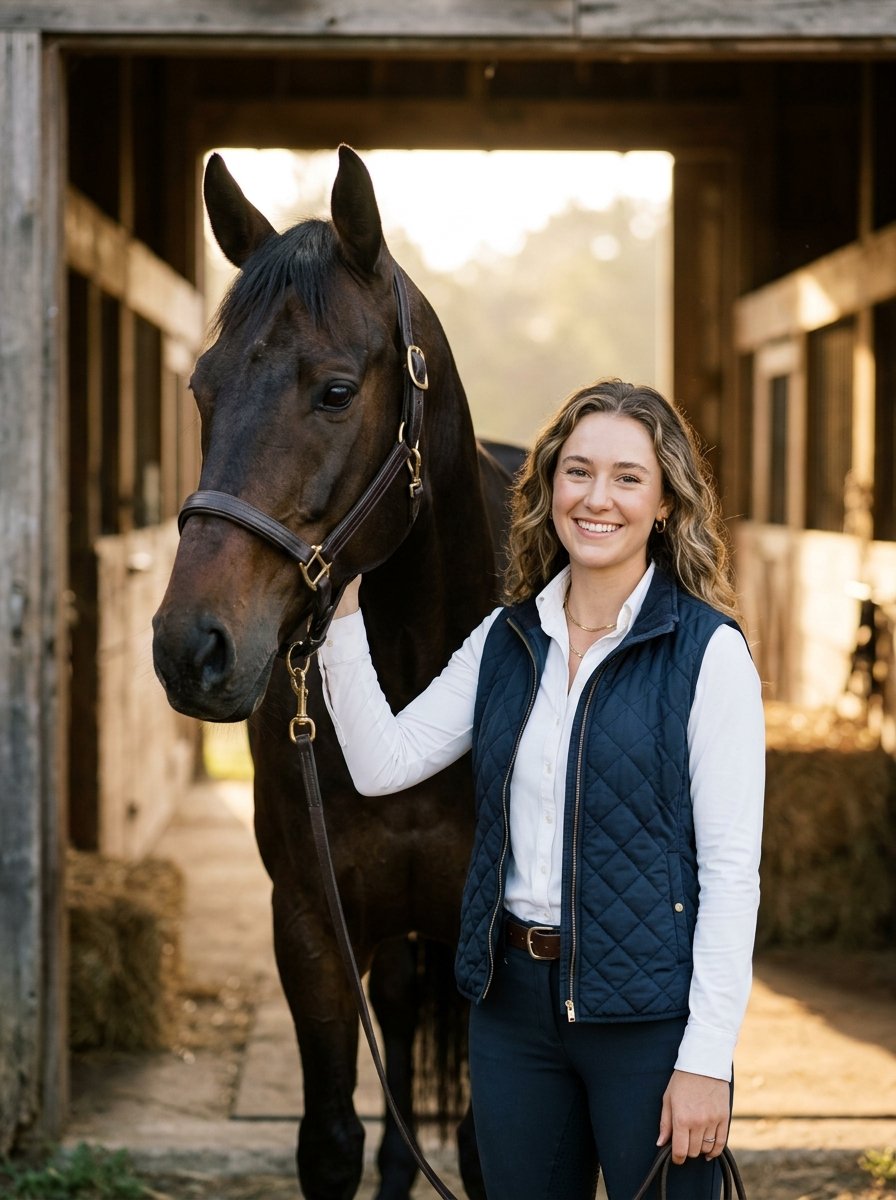
Equestrian Journalist & Equine Welfare Specialist
Sarah Mitchel brings over fifteen years of hands-on equine management, classical dressage training, and veterinary wellness reporting to Horse Silk. Dedicated to promoting ethical horsemanship, pedigree preservation, and science-backed care protocols.
