


Table of Contents
IntroductionThoroughbred Horse
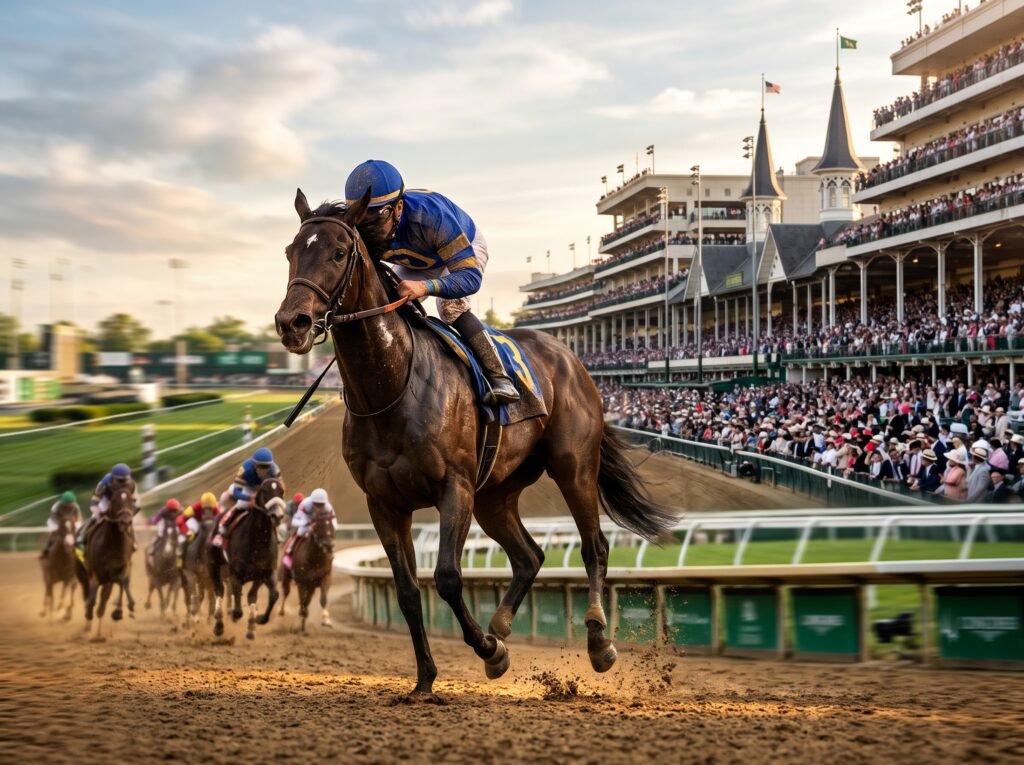
At full stretch along the homestretch of a thundering racetrack, a Thoroughbred horse is one of the most awe-inspiring biological athletes on earth. Reaching speeds exceeding forty miles per hour (65 km/h) while carrying an adult jockey, each stride can cover more than twenty-four feet of turf in a single, heart-stopping fraction of a second. The ground trembles beneath massive hooves, muscles ripple like coiled steel cables beneath thin skin, and flared nostrils pump enormous volumes of air into an exceptional cardiovascular system.
Yet, reducing the Thoroughbred merely to a multi-billion-dollar racing commodity ignores the extraordinary heart, courage, and historical depth of the breed. Developed in seventeenth-century England by crossing native British mares with imported Arabian and other Oriental stallions, the Thoroughbred was bred for one relentless objective: maximum sustained speed while carrying weight over distance.
Beyond the prestigious glamour of Churchill Downs, Royal Ascot, and the Dubai World Cup, the modern Thoroughbred is equally respected as a versatile equestrian partner. Thousands of retired racehorses, affectionately known as OTTBs (Off-Track Thoroughbreds), transition into second careers in international equestrian disciplines such as three-day eventing, show jumping, dressage, and polo.
In this comprehensive breed guide, we explore the three legendary foundation stallions, the remarkable cardiovascular anatomy behind the Thoroughbred’s explosive speed, essential nutrition and healthcare practices, and the realities of purchasing or adopting one of these exceptional horses.
For readers interested in horse values and prestigious bloodlines, explore our guide to the top 5 most expensive horse breeds
The Genesis: Three Stallions That Built a Global Dynasty
Unlike many ancient horse breeds whose origins are difficult to trace, the modern Thoroughbred has a remarkably documented pedigree history. Almost every registered Thoroughbred traces its direct paternal lineage to three influential foundation stallions imported into England during the late seventeenth and early eighteenth centuries.
The Three Thoroughbred Foundation Sires
| Foundation Stallion | Origin and Arrival | Important Descendant |
|---|---|---|
| The Byerley Turk | Captured at Buda, Hungary, around 1689 | Herod |
| The Darley Arabian | Aleppo, Syria, in 1704 | Eclipse |
| The Godolphin Arabian | Arrived in England around 1729 | Matchem |
1. The Byerley Turk (Imported c. 1689)
Captured by Captain Robert Byerley during the Siege of Buda in Hungary, this Turkish or Oriental stallion became Byerley’s personal warhorse. According to historical accounts, he later served during the Battle of the Boyne in Ireland before retiring to stud in Yorkshire.
His great-great-grandson, Herod (foaled in 1758), established an important Thoroughbred bloodline renowned for stamina, courage, and athletic ability.
2. The Darley Arabian (Imported 1704)
Purchased in Aleppo, Syria, by English merchant Thomas Darley, the Darley Arabian was transported to Yorkshire, England.
Through his legendary descendant Eclipse (foaled in 1764), the Darley Arabian’s influence expanded enormously. Eclipse remained undefeated throughout his 18-race career and became famous for the expression:
“Eclipse first, the rest nowhere.”
The Eclipse male line eventually became the dominant paternal lineage in modern Thoroughbred breeding.
3. The Godolphin Arabian (Imported c. 1729)
According to equestrian legend, this stallion was discovered pulling a water cart through the streets of Paris before being brought to England. He was eventually owned by the Earl of Godolphin.
Mated with the mare Roxana, he produced important descendants, including Lath and Cade. Through this family came Matchem (foaled in 1748), another influential foundation-line representative associated with stamina and muscular strength.
When these three influential stallions were bred to native English mares, the resulting Thoroughbred developed exceptional speed, endurance, and competitive ability.
In 1791, James Weatherby published the first volume of the General Stud Book, helping establish the formal pedigree records that continue to influence Thoroughbred breeding today.
The Biology of Extreme Speed: Anatomy of a Thoroughbred
The Thoroughbred is not merely an athletic horse. Its physical structure, cardiovascular capacity, and respiratory system make it one of the most specialized running animals in the world.
1. The X-Factor and the Colossal Heart
A typical adult horse has a heart weighing approximately 8.5 to 9 pounds (3.8 to 4.1 kg).
In elite Thoroughbreds, researchers have investigated the so-called Large Heart gene, which has been associated with genetic factors linked to heart size and inherited through the X chromosome.
The legendary racehorse Secretariat, widely regarded as one of the greatest racehorses in history, reportedly had a heart weighing approximately 22 pounds (10 kg) following his death.
This extraordinary measurement attracted considerable attention because it was nearly three times the commonly cited average equine heart weight.
A powerful cardiovascular system helps elite Thoroughbreds circulate oxygen-rich blood efficiently during intense exercise, supporting their exceptional racing performance.
2. The Spleen: Nature’s Blood Doping
One of the most remarkable physiological adaptations in horses is the spleen’s ability to store red blood cells.
During rest, a significant proportion of the horse’s red blood cells are stored in the spleen. When intense exercise begins, adrenaline stimulates the spleen to contract and release these cells into circulation.
This process produces several important effects:
- Increases the number of circulating red blood cells.
- Raises hematocrit levels during intense exercise.
- Improves the blood’s oxygen-carrying capacity.
- Helps deliver more oxygen to working muscles.
This natural physiological mechanism contributes significantly to the Thoroughbred’s exceptional athletic performance.
3. Stride Mechanics and Aerobic Coupling
At a full gallop, horses demonstrate a remarkable relationship between their breathing rhythm and stride movement.
This phenomenon is called locomotor-respiratory coupling.
During galloping:
- The movement of the horse’s body influences the position of internal organs.
- The abdominal organs move relative to the diaphragm.
- This movement helps coordinate inhalation and exhalation with the galloping stride.
This efficient coordination supports the enormous respiratory demands of high-speed running.
Legendary Icons of the Turf
The history of Thoroughbred racing is defined by extraordinary champions whose achievements transformed the sport.
Man o’ War (1917–1947)
<PRIVATE_PERSON>
Nicknamed Big Red, Man o’ War won 20 of his 21 career races. He carried substantial weights, established multiple records, and became one of the most celebrated American racehorses of the twentieth century.
His remarkable power and competitive spirit made him an enduring symbol of Thoroughbred excellence.
Secretariat (1970–1989)
Secretariat became a worldwide sporting icon after winning the American Triple Crown in 1973.
His performance in the Belmont Stakes remains legendary. Running 1.5 miles, he won by an astonishing 31 lengths in a record time of 2:24.
His performance is still considered one of the greatest achievements in horse racing history.
Ruffian (1972–1975)
Ruffian was an exceptional champion filly known for her extraordinary speed and front-running style.
She remained undefeated throughout her racing career until her tragic match race against Foolish Pleasure in 1975.
Her story remains one of the most emotional chapters in American racing history.
American Pharoah (2012–)
American Pharoah became the first horse in 37 years to win the American Triple Crown when he completed the achievement in 2015.
He also won the Breeders’ Cup Classic that year, completing what became known as the Grand Slam of American horse racing.
His smooth running style and calm temperament made him a fan favorite.
Beyond the Racetrack: The OTTB Second Career Renaissance
Although only a small percentage of Thoroughbreds become prestigious stakes winners, many retired racehorses have the potential to enjoy successful second careers.
These horses are commonly called Off-Track Thoroughbreds (OTTBs).
After leaving racing, Thoroughbreds can be retrained for different equestrian activities. Their athleticism, responsiveness, stamina, and intelligence make them suitable candidates for several disciplines.
The OTTB Performance Spectrum
| Equestrian Discipline | Natural Thoroughbred Advantages |
|---|---|
| Three-Day Eventing | Galloping stamina, athleticism, and bravery |
| Show Jumping | Powerful hindquarters and quick reflexes |
| Hunter / Equitation | Long, sweeping trot and elegant appearance |
| Polo | Acceleration, agility, and quick turning ability |
| Dressage | Elastic movement and sensitivity to riding aids |
Organizations such as the Retired Racehorse Project (RRP) help demonstrate the potential of former racehorses through retraining programs and equestrian competitions.
Its annual Thoroughbred Makeover at the Kentucky Horse Park showcases retired racehorses developing new careers in disciplines such as dressage, show jumping, eventing, and recreational riding.
Learn more about these initiatives through the <a href=”https://therrp.org/“>Retired Racehorse Project</a>.
Health, Care, and Special Management Protocols
Thoroughbreds are athletic, energetic horses that require appropriate nutrition, regular veterinary attention, and carefully managed exercise.
Their individual needs vary according to age, workload, body condition, and previous racing history.
1. Gastric Ulcer Syndrome (EGUS)
Equine Gastric Ulcer Syndrome (EGUS) is a common health concern among performance horses, including Thoroughbreds.
Factors such as intensive exercise, transportation, stress, and feeding practices can contribute to gastric ulcer development.
Management and Prevention:
- Provide consistent access to appropriate forage.
- Avoid long periods without food.
- Divide concentrated feed into smaller meals.
- Maintain a consistent feeding routine.
- Monitor appetite, body condition, and behavior.
- Consult a veterinarian if symptoms suggest gastric ulcers.
Alfalfa and grass hay can be useful components of a carefully balanced feeding program.
Omeprazole may be prescribed by veterinarians to treat certain forms of gastric ulcer disease. Preventive medication should not be considered necessary for every horse.
2. High-Metabolic Feeding: The Hard Keeper
Some Thoroughbreds are considered hard keepers because they have difficulty maintaining an appropriate body condition, particularly during periods of intensive exercise.
A balanced feeding program may include:
- High-quality grass hay or alfalfa.
- Appropriate high-fat feed when additional calories are needed.
- Beet pulp as a digestible fiber source.
- Stabilized rice bran.
- Vegetable oil when suitable for the individual horse.
- Proper vitamin and mineral supplementation.
Feeding multiple smaller meals throughout the day can help support digestive health and maintain a consistent energy supply.
The correct diet should be based on the horse’s body condition, workload, and nutritional requirements rather than breed alone.
3. Hoof Management
Thoroughbred horses can have relatively thin hoof walls and sensitive soles, although hoof quality varies considerably between individuals.
Regular farrier attention is essential for maintaining soundness.
Important management practices include:
- Scheduling regular hoof inspections.
- Maintaining an appropriate trimming and shoeing cycle.
- Monitoring cracks, bruising, and signs of tenderness.
- Choosing suitable shoes according to the horse’s workload.
- Considering therapeutic shoeing when recommended by a qualified farrier or veterinarian.
Some OTTBs benefit from composite shoes, glue-on shoes, or protective hoof materials, depending on their individual hoof condition.
A regular farrier schedule, often around five to six weeks, may be appropriate, although the interval should be adjusted to the horse’s needs.
The Thoroughbred Marketplace: From Yearling Auctions to Adoption
The Thoroughbred industry operates across a wide financial spectrum, from affordable retired racehorses to exceptionally expensive breeding prospects and elite racing champions.
Horse prices depend on pedigree, conformation, age, racing performance, training, health, and future potential.
Typical Thoroughbred Price Ranges
| Category | Indicative Price Range | Context and Significance |
|---|---|---|
| Commercial Keeneland Yearling | $100,000–$8,000,000+ | Young horses sold at prestigious auctions |
| Proven Stakes Racehorse | $250,000–$20,000,000+ | Successful racing prospects and breeding candidates |
| Unstarted OTTB | $1,500–$5,000 | Recently retired racehorse requiring retraining |
| Restarted / Re-schooled Sport Horse | $7,500–$25,000 | Horse with additional training in sport disciplines |
| Top-Level Eventing Competitor | $30,000–$150,000+ | Experienced competitor with an established performance record |
These figures are illustrative market ranges, not guaranteed current selling prices. Actual prices can vary significantly.
If you enjoy exploring expensive and prestigious horse breeds, discover our article about the <a href=”https://horsesilk.com/top-5-most-expensive-horse-breeds/“>top 5 most expensive horse breeds in the world</a>.
Buying or Adopting an OTTB
Before purchasing a retired Thoroughbred, consider several important factors:
1. Veterinary Examination
Arrange a pre-purchase veterinary examination to assess soundness, previous injuries, dental health, and general condition.
2. Racing History
Review the horse’s racing record, training background, and available medical history.
3. Temperament
Spend time handling and observing the horse. Consider whether its temperament and training level match your riding experience.
4. Retraining Requirements
A horse coming directly from the racetrack may require substantial retraining before becoming suitable for recreational riding.
5. Long-Term Costs
Consider feed, farrier visits, veterinary care, insurance, boarding, and ongoing training expenses.
Adopting an OTTB can be a rewarding experience, but choosing the right individual horse is more important than choosing a breed based on appearance or reputation.
Frequently Asked Questions About Thoroughbred Horses
Are Thoroughbreds Too Hot or Crazy for Recreational Riders?
No. Thoroughbreds are often energetic, sensitive, and responsive, but temperament varies considerably between individual horses.
Young horses recently retired from racing may need time to adjust to a new environment and different training methods.
With appropriate retraining, consistent handling, and suitable management, many Thoroughbreds become affectionate and reliable recreational riding partners.
How Tall Do Thoroughbreds Get?
The average Thoroughbred stands between 15.2 and 16.3 hands (approximately 157 to 170 cm) at the withers.
Most weigh approximately 1,000 to 1,200 pounds (450 to 545 kg), although individual horses can fall outside this range.
Can a Thoroughbred Be Registered If Bred Through Artificial Insemination?
No. The Jockey Club’s Thoroughbred registration rules require natural cover for foals to qualify for registration.
Artificial insemination, embryo transfer, and cloning are not accepted methods of producing registered Thoroughbreds under these rules.
How Fast Can a Thoroughbred Run?
Thoroughbreds are among the fastest horse breeds in the world.
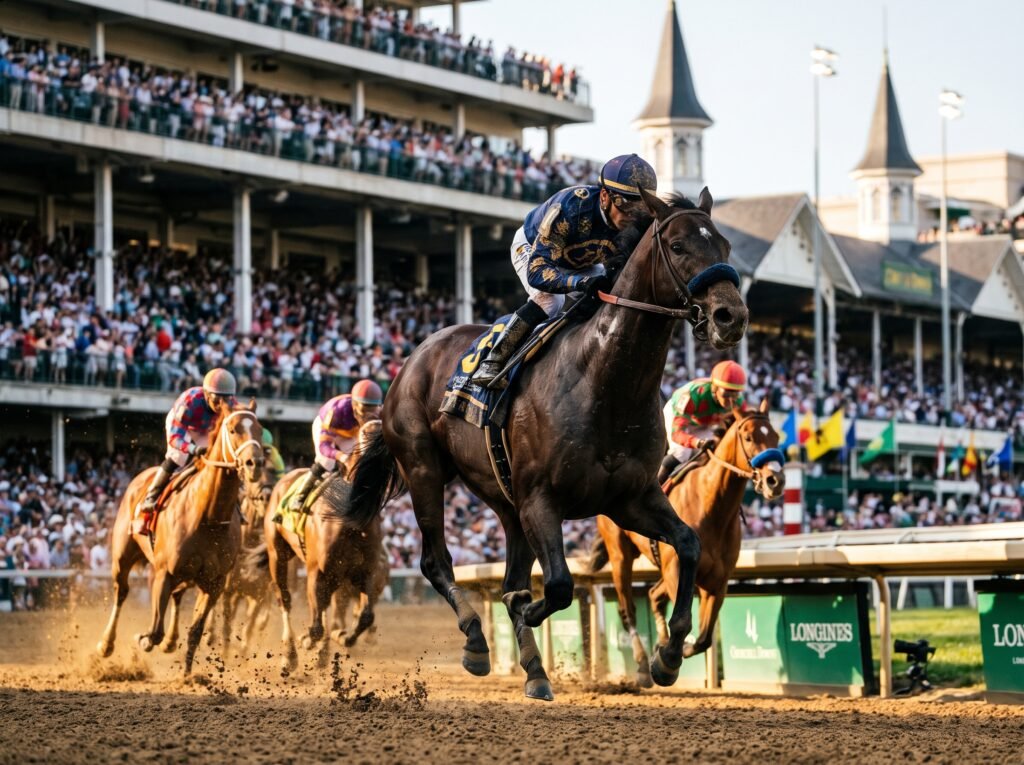
Elite racehorses can exceed 40 miles per hour (approximately 64 km/h) under suitable racing conditions. Actual speed depends on distance, track surface, fitness, and individual ability.
How Long Do Thoroughbred Horses Live?
Thoroughbreds commonly live approximately 25 to 30 years, although lifespan varies according to genetics, nutrition, healthcare, and living conditions.
Are Thoroughbreds Good for Beginners?
Some mature, well-trained Thoroughbreds can be suitable for confident beginners under appropriate supervision.
However, energetic or recently retired racehorses are generally better suited to experienced riders and professional retraining environments.
Thoroughbred Breed Card Summary
| Feature | Specification |
|---|---|
| Breed Name | Thoroughbred |
| Country of Origin | England |
| Historical Development | 17th–18th Century |
| Foundation Sires | Byerley Turk, Darley Arabian, Godolphin Arabian |
| Average Height | 15.2–16.3 hands |
| Average Weight | 1,000–1,200 lbs |
| Typical Racing Speed | Often exceeds 40 mph in elite racing |
| Primary Disciplines | Flat Racing, Eventing, Show Jumping, Polo, Dressage |
| Average Lifespan | Approximately 25–30 years |
Final Thoughts: Why the Thoroughbred Remains an Equine Legend
The Thoroughbred represents far more than speed, prize money, and prestigious racing events. It is the result of centuries of selective breeding, extraordinary athletic development, and a remarkable partnership between horses and humans.
From the legendary foundation stallions of eighteenth-century England to modern champions such as Secretariat and American Pharoah, the breed has continually demonstrated exceptional courage, speed, and competitive spirit.
Yet perhaps the most inspiring part of the Thoroughbred story begins after the racetrack. Retired racehorses can discover entirely new careers as show jumpers, eventing partners, dressage horses, and beloved recreational companions.
With responsible ownership, appropriate veterinary care, balanced nutrition, and patient retraining, a Thoroughbred can enjoy a rewarding life long after its final race.
The Thoroughbred is not simply bred to run fast. It is bred to demonstrate the extraordinary athletic potential of the horse.
Trusted External Resources
- The Jockey Club – Thoroughbred registration, pedigree information, and industry resources.
- Retired Racehorse Project – OTTB retraining, aftercare, and second-career opportunities.
- Merck Veterinary Manual – Veterinary information covering equine health and care.
- American Association of Equine Practitioners (AAEP) – Professional equine veterinary resources.
Equestrian Journalist & Equine Welfare Specialist
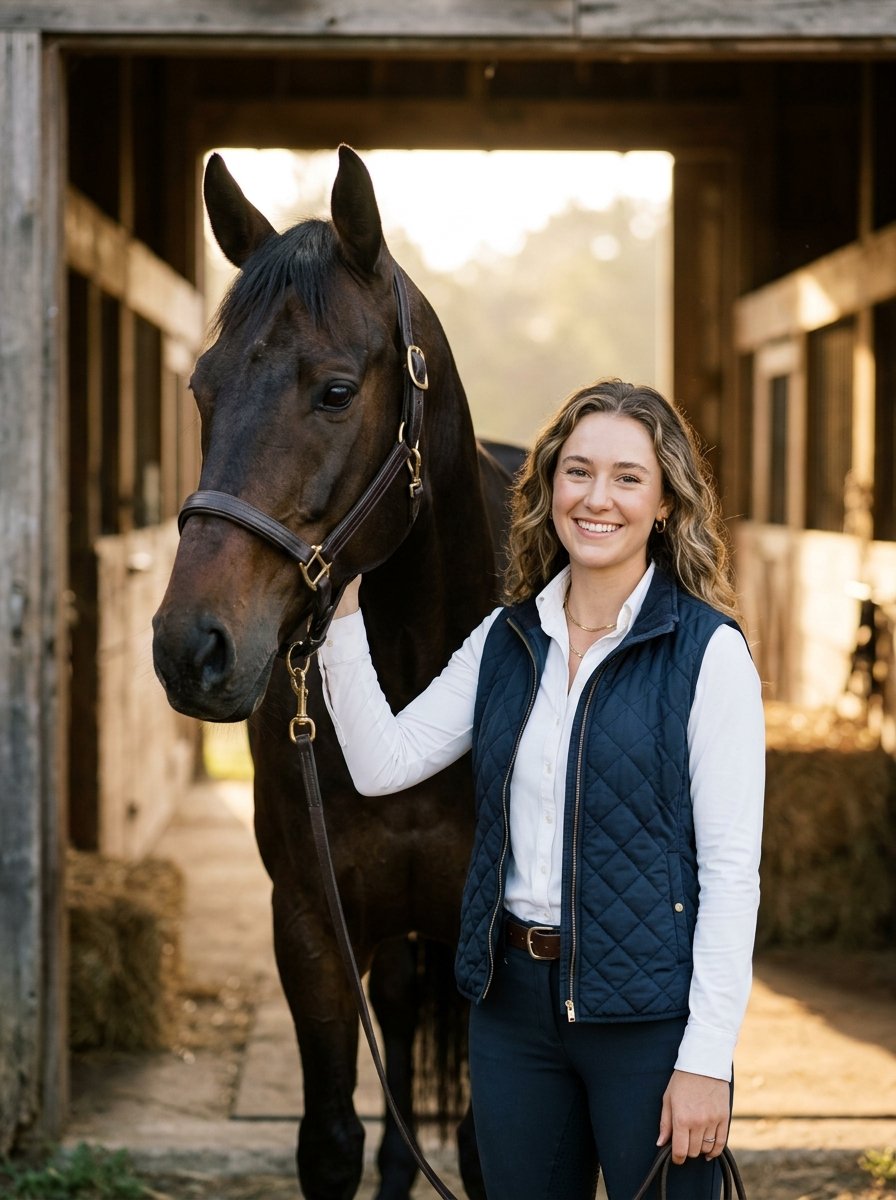
Sarah Mitchel brings over fifteen years of hands-on equine management, classical dressage training, and veterinary wellness reporting to Horse Silk. Dedicated to promoting ethical horsemanship, pedigree preservation, and science-backed care protocols.

1 thought on “The Thoroughbred Horse: Speed, Heart, and the Multi-Billion-Dollar Racing Dynasty”